Cataloging, circulation, holds, inventory, and an online catalog K–12 students can search themselves. Everything circulates under one system, from picture books to Chromebooks.

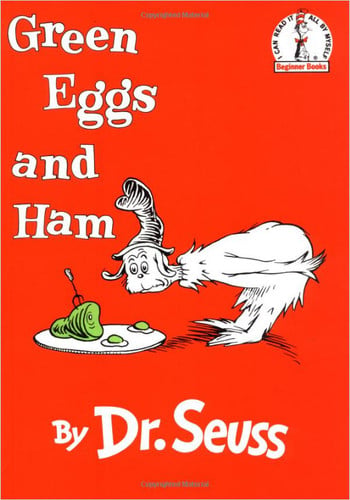
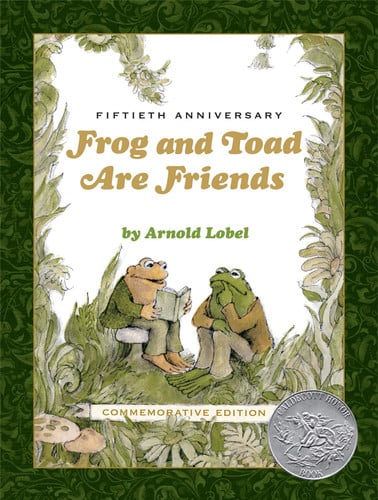
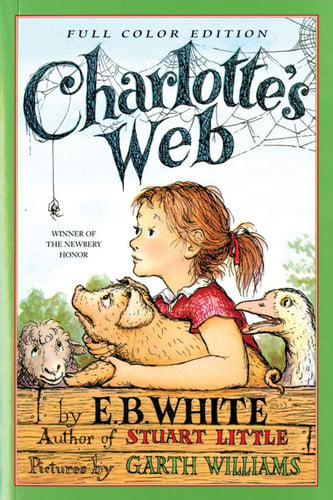
Import your current collection, or scan an ISBN to add a title. Where a record carries an ISBN, Lyra looks the jacket up and attaches it automatically.
There is no cover-image subscription to buy and no second vendor to sign with. The browser looks like a shelf the first time a student opens it.
Not every ISBN has a jacket to find. Those records keep the placeholder, and you can add an image to any of them yourself. Lookups go to ISBNdb, which receives ISBNs and titles and never patron data. See our subprocessors.
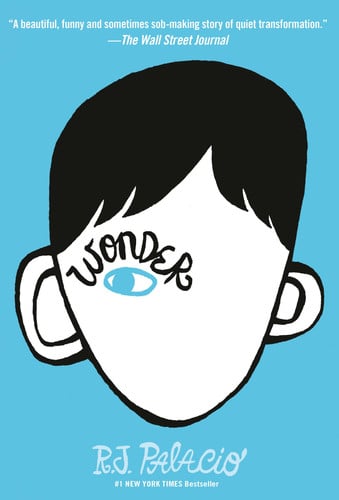
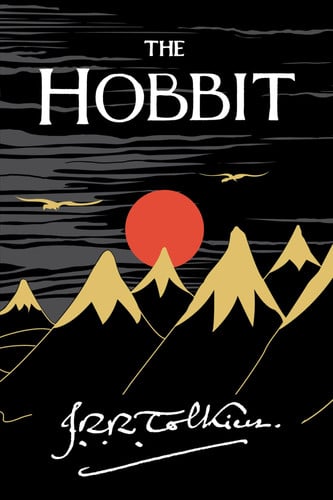

You set policies in 3 layers: library defaults, patron overrides, and item limits. At the desk, Lyra resolves them in a fixed order and stamps the due date.
There is no loan-rule matrix to memorize. Scan, hand it over, next kid. No scanner? Use your webcam. Haven't attached barcodes? Search by title.
When you want to know why a date landed where it did, select Why this date? and Lyra shows each layer it checked, in order. This is that panel, as it appears in the app.
Checked outSep 2
Students search in plain language, browse covers, and place their own holds. Type "i like turtles" and the catalog finds turtle books, even when "turtle" isn't in the title.
Shelves can be set per homeroom, so second graders see the read-aloud picks and eighth graders see the summer reading list.
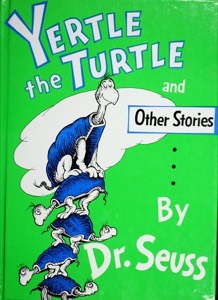
Three fables in verse: Yertle, king of the pond, who wants to rule all he can see; Gertrude McFuzz, who envies another bird's tail; and a rabbit and a bear who each claim to be the best.

A snapping turtle hatched at the headwaters of the Mississippi travels the length of the river to the Gulf, and the river's history, people and wildlife travel with her.
Connect the roster your school already keeps and Lyra follows it. New students appear, homeroom changes carry over, and withdrawals archive on their own. When the new school year starts, third graders become fourth graders without you touching anything.
The sync runs daily. Every run shows you exactly what it changed.
FACTS, Blackbaud, Veracross, PowerSchool, ClassLink, Alma, and Rediker all speak OneRoster. No OneRoster provider? Import the spreadsheet your SIS exports instead, and update it yourself each year.
Vega is the assistant in the staff app. Ask which books have not gone out in 3 years, what topics the collection is thin on, or how to do something in Lyra, and it queries your catalog for you.
Every answer opens up. "How this was found" lists the filters Vega actually ran, so you can check the question it asked before you act on the list.
Vega works in aggregate. Lyra never reads patron names, IDs, emails, or borrowing history out of your records and into Vega, so it cannot tell you who has a book out, and it says so rather than guessing. Your question is sent as you type it, so leave names out of it. Read what Vega sees.
Show me weeding candidates: older than 5 years, nothing circulated in the last 3.
| Title | Pub Year | Last Circulated | Age |
|---|---|---|---|
| Exploring the Solar System | 1998 | Nov 4, 2019 | 28 years |
| Let’s Visit Yugoslavia | 1994 | Never | 32 years |
| The Home Computer Handbook | 2001 | Feb 18, 2020 | 25 years |
Most schools don't switch library systems because the switch itself is too painful, not because their current system is good enough. Lyra's migration path is free, self-serve, and safe to run during the school year.
See how Lyra compares to Destiny, Atriuum, and others"I built Lyra because I was tired of fighting my ILS to do basic things. Every feature here exists because a librarian (usually me) needed it on a Tuesday morning, between bells, with a kid waiting at the desk."
The daily work is above. These are the parts you will be glad are there the week you need them.
Start a free 30-day trial with your own catalog. No demo call, no credit card. We'll help you bring your data over when you're ready to switch.